Progress without chaos.

When work moves, context shouldn’t start over.

Launchpad carries your firm’s methodology, specialist expertise and working standards across client projects, while keeping each client’s context with its own engagement. As work moves between questions, sessions, people and revisions, you keep building on what is already known — without repeatedly reconstructing the method, context and AI setup around the work.

Try the interactive demoFree recorded demo · No live AI callsGo to Launchpad LiveLaunchpad Live from $29/month incl. VAT
See how an engagement works →

Example canvas

German Q3 expansion

Recommendation

Prioritise the German market for Q3 — the SME segment is fragmented enough for a new entrant to land.

Open question

What is a realistic timeline without local legal coverage? One coworker flags 6–10 weeks before any contract can close.

Risk flagged

Without German terms a contract cannot close in Q3 — the legal track has to start regardless of the go / no-go call.

The current state

The work is already spread across more places than the deliverable shows.

The proposal is somewhere. Discovery is in transcripts and notes. The method lives partly in documents and partly in experience. Useful reasoning sits in AI conversations. New client decisions arrive through meetings. Senior feedback changes the answer again. Before the next piece of work can move, someone has to reconnect what matters.

The point is not that this workflow is broken. It works, because good consultants repeatedly reconstruct the right conditions for good work. Launchpad is designed to reduce how much of that reconstruction has to happen again and again.

The operating change

Keep the method reusable. Keep the client context with the client.

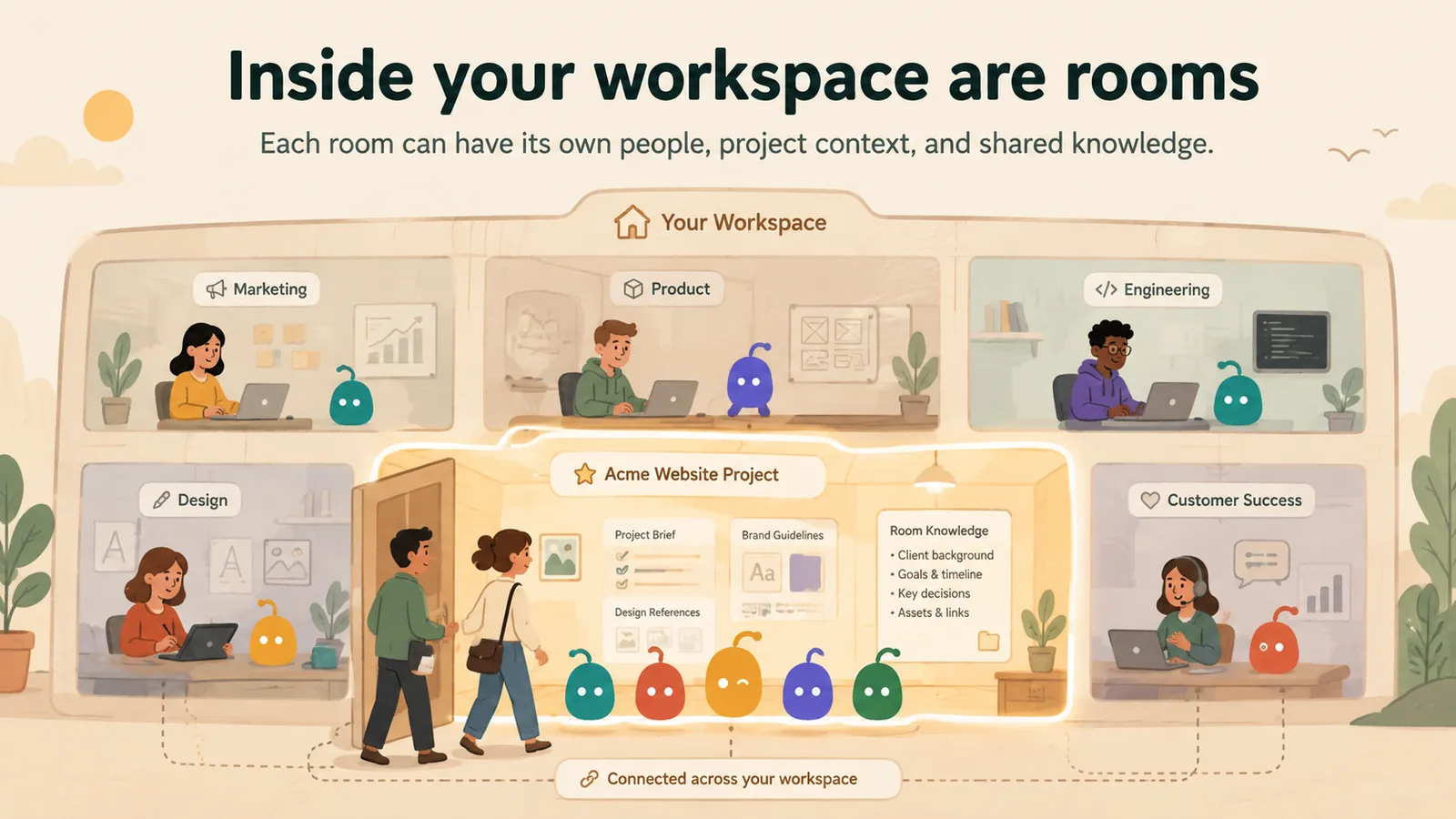
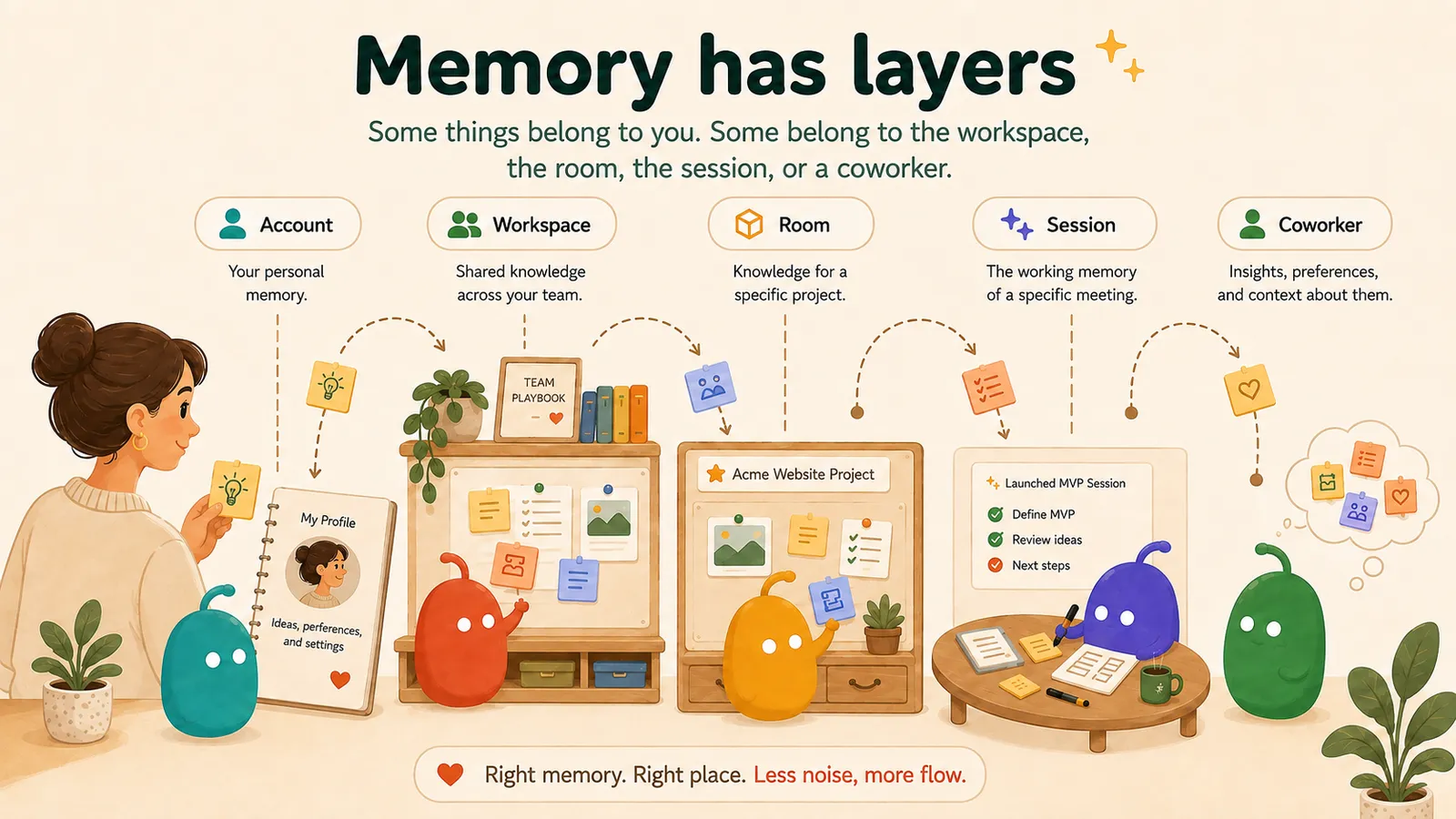
Launchpad separates two things that are easy to blur in ordinary AI projects: the firm capability you want to reuse, and the client-specific context you should not casually carry elsewhere.

  • Across projects

    Firm methodology, reusable specialist roles, working standards and approved general knowledge. These are things you maintain once and make available where they belong.

  • Within the engagement

    Client documents, interviews, facts, decisions, sessions, recommendations and working context. These stay in the engagement they belong to — isolation is enforced in the database, not by a filter the application might forget.

  • What it buys you

    The next client project can start from a stronger firm capability without pretending the two clients are the same. Nothing crosses from one engagement to another unless you deliberately promote it.

A working pass

Start with the client problem, not the prompt stack.

Describe the outcome you need in professional terms, work with the relevant perspectives, challenge what is weak, and keep shaping the work from the same engagement. AI configuration belongs in the background; consulting judgement stays in the foreground.

  1. Open the engagement and work from the context already there

    The documents, notes, prior sessions and decisions the engagement has collected are already in the room. You are not re-briefing from scratch.

  2. Describe the consulting outcome you need

    “Turn the interviews and operating data into an initial diagnosis for partner review.” Professional terms, not prompt engineering — the AI configuration stays in the background.

  3. Bring in the relevant specialist perspectives

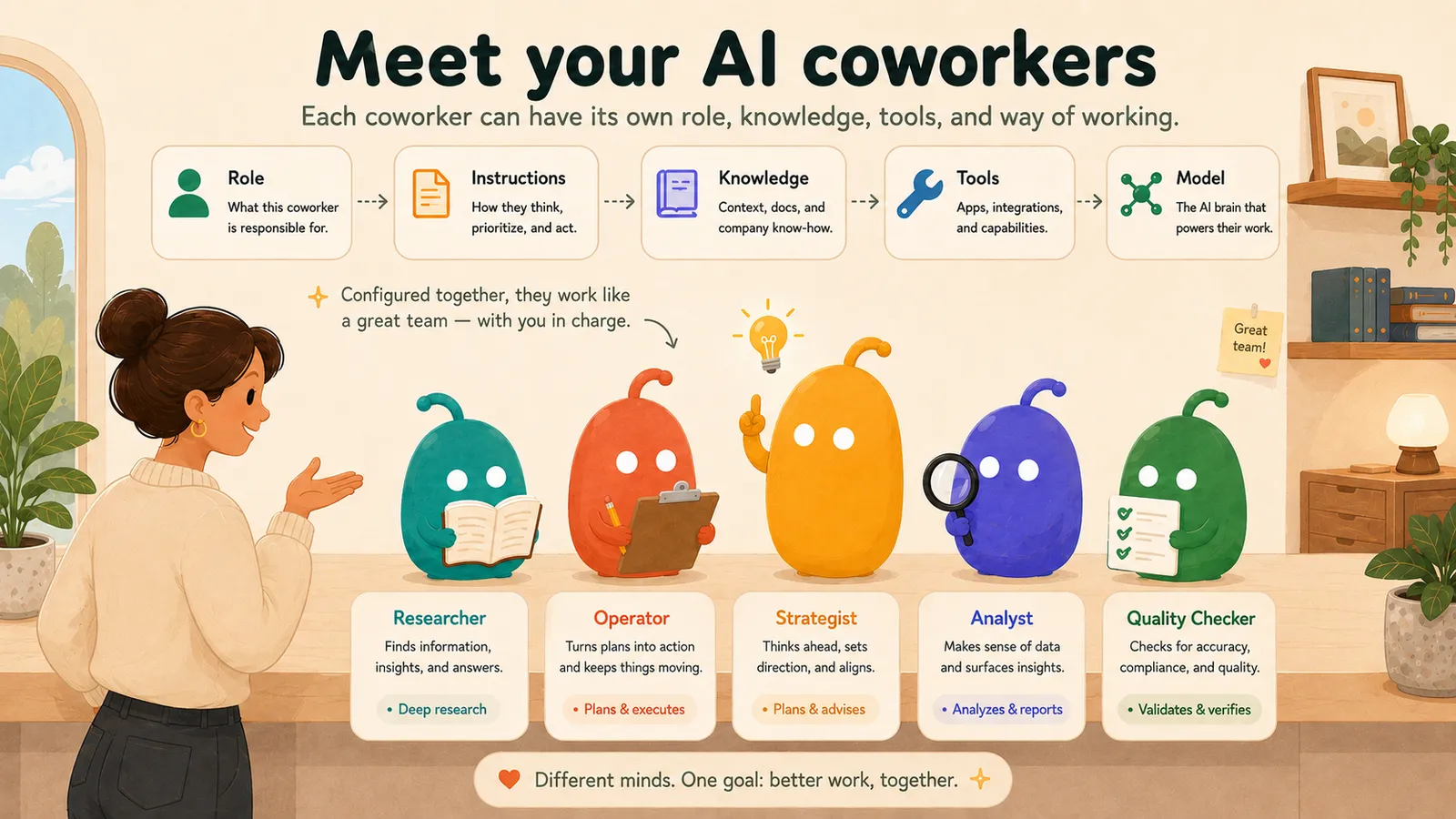
    A lead, the domain experts the question actually needs, a critic and a validator — configured once as durable roles, not re-described each time.

  4. Challenge assumptions and validate weak claims

    The critic questions thin logic and convenient conclusions. The validator separates what the evidence supports from what it does not, and names what is still unresolved.

  5. Curate the material into work you can review and stand behind

    The result lands in an editable report. Restructure it, rewrite it, cut what you disagree with — then generate the client-facing deliverable from the version you approved.

  6. Return later and continue from the same engagement

    Come back to the engagement rather than rebuilding it: the material, the sessions and the specialists are where you left them.

See how an engagement works →

Continuity

Come back tomorrow without rebuilding yesterday.

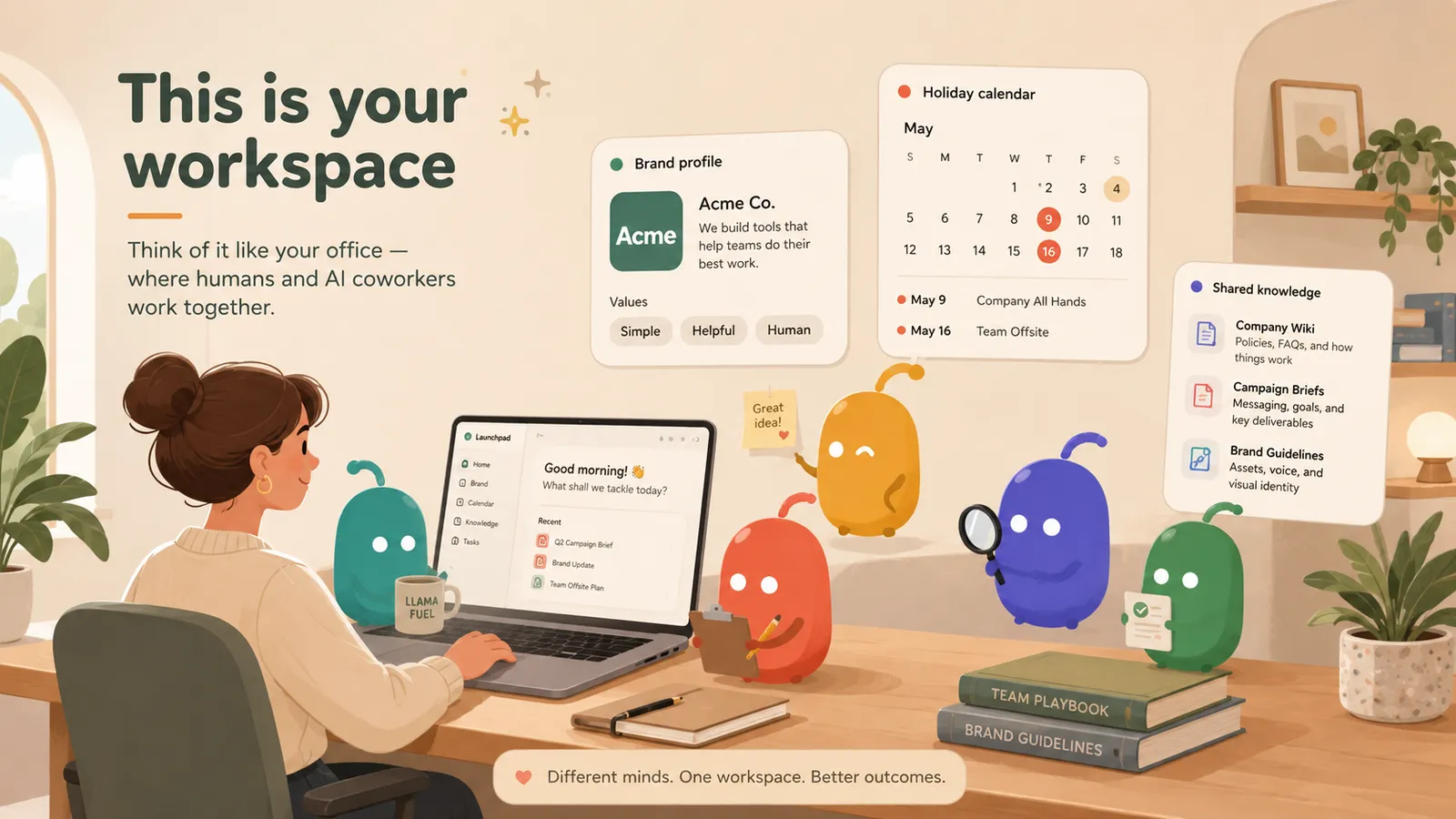
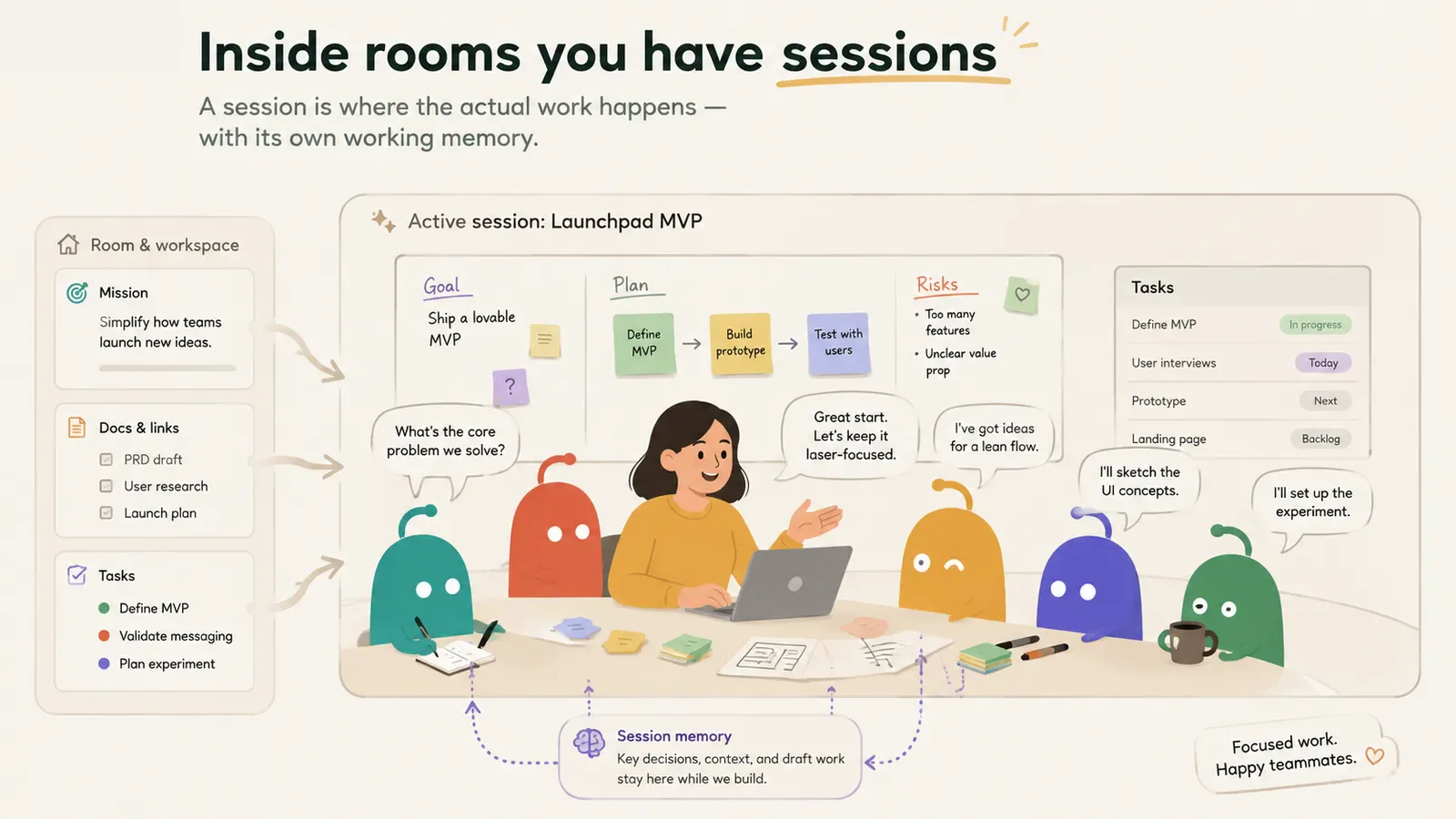
Client work changes. New evidence arrives, a workshop changes the priority, a partner reframes the question, a recommendation needs another pass. The engagement keeps its material where the work happens: the documents and knowledge you added, the sessions you ran and what they produced, and the scoped memory your specialists carry between sessions. The next session starts from that rather than from an empty setup.

What that does not mean: changing your firm methodology does not rewrite work already delivered, and nothing from one client’s engagement is resurfaced inside another’s. What carries forward is what you put there.

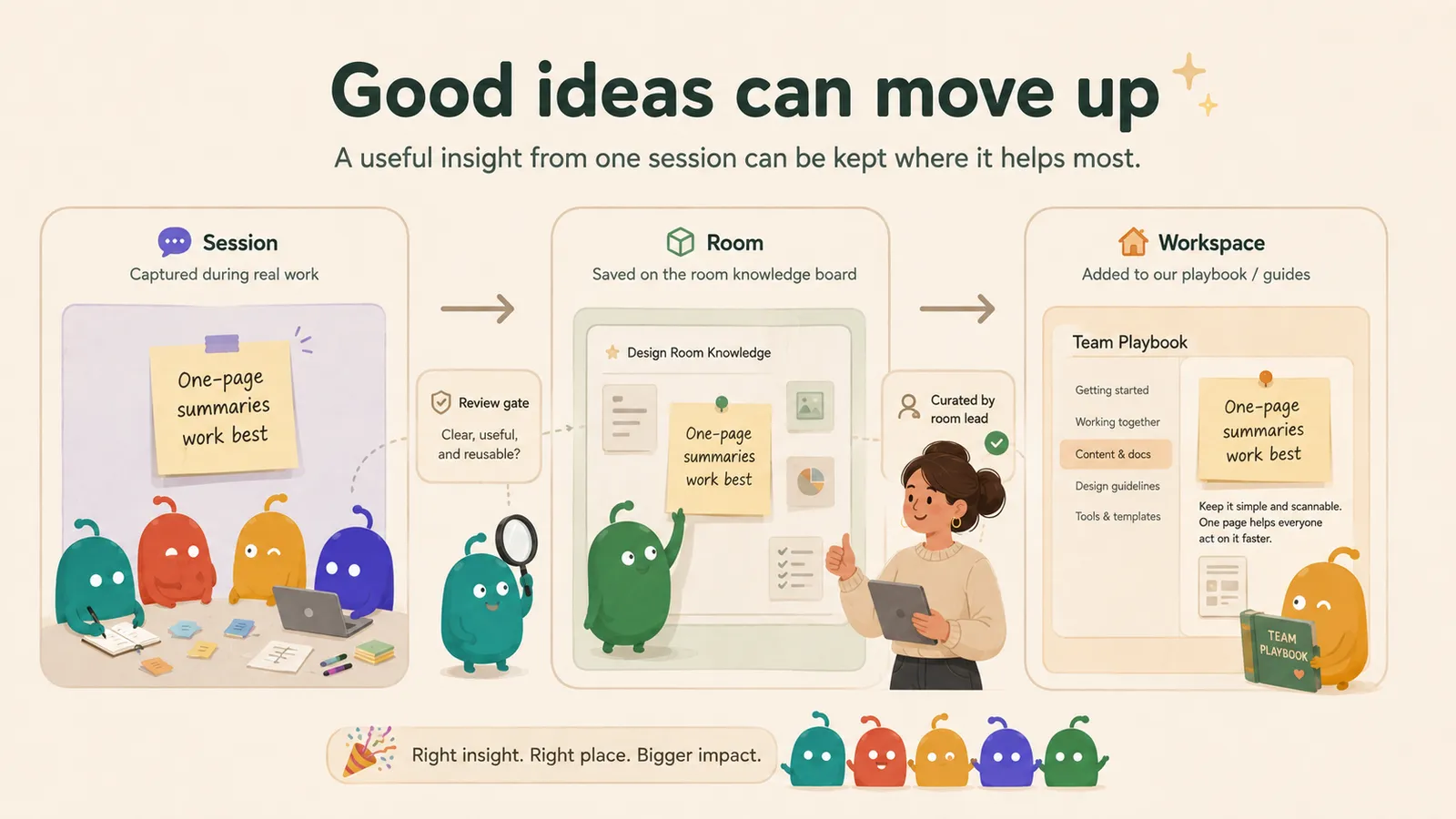
Across projects

Improve the way you work once — then make the improvement available where it belongs.

A better diagnostic question, a clearer review standard or an improved method should not have to be re-applied by hand across every copied project. Firm methodology, specialist roles and working standards are maintained as firm capability, and promoting an approved lesson into that capability is a deliberate act you take — not something that happens quietly in the background. Each client engagement keeps its own facts and history either way.

Quality

Challenge the work before it needs senior judgement.

Launchpad helps surface weak logic, unsupported claims and unresolved assumptions earlier. That does not replace the consultant.

  • Weak logic surfaces earlier

    A dedicated critic role questions thin reasoning and unexamined assumptions while the work is still cheap to change — not after a partner has read it.

  • Claims get sorted by evidence

    A validator role separates supported claims from unsupported ones and names the gaps, so you can see what the recommendation is actually resting on.

  • The accountable human still decides

    What is material, defensible, commercially realistic, appropriate for this client and ready to deliver is a judgement Launchpad does not make. Nothing reaches a client without you.

The unit of value

The work should end somewhere better than a chat thread.

You do not need proof that AI can produce text. These are the consulting artifacts that survive the conversation — shaped, challenged, edited and approved by you.

  • Strategic diagnosis

    What goes in
    Discovery material, interviews and internal documents already in the engagement.
    What Launchpad analyses, challenges and validates
    Specialists structure the analysis; the critic challenges the findings; the validator separates what the evidence supports from what it does not.
    What the client receives
    A prioritised diagnosis with defensible findings, ready for partner review.
  • 90-day roadmap

    What goes in
    Current-state findings and the client’s stated ambition.
    What Launchpad analyses, challenges and validates
    Workstreams, dependencies and feasibility are worked through and challenged before anything is sequenced.
    What the client receives
    A sequenced roadmap in client-facing form, with priorities you chose.
  • Decision memo

    What goes in
    The decision context, the options on the table and the evidence behind them.
    What Launchpad analyses, challenges and validates
    Options are stress-tested; assumptions and risks are made explicit before a recommendation is written.
    What the client receives
    A memo that states the recommendation, the reasoning and what it depends on.

View example deliverables →

At firm level

Let senior people spend more of their time on the judgement that actually needs them.

When method, context and quality challenge reach the work earlier, senior review can focus more on client nuance, commercial realism, tradeoffs and defensibility — and less on reconstructing what happened before the draft arrived.

  • Less reconstruction

    Fewer repeated setup and explanation cycles around the same body of work.

  • Earlier quality control

    Avoidable issues surface while the work is still easy to change, rather than at final senior review.

  • More consistent delivery

    The firm relies less on each consultant remembering the exact setup that made the last piece of work good.

  • More engagements reached

    The firm’s existing expertise can inform more engagements without every senior person joining every working step.

The objection

Repeat the quality process. Not the answer.

A reusable method does not make consulting generic. Different clients can move through the same discipline — relevant method, client context, analysis, challenge, validation and human judgement — and still reach entirely different recommendations.

Boundaries

Methodology can travel. Client facts shouldn’t.

Each engagement lives in its own workspace, and that separation is enforced by row-level security in the database itself — not by a filter the application might forget. What a specialist can read and remember is scoped the same way. Permissions, storage, data handling and your GDPR rights are set out in full on the security page.

Review security and data handling →

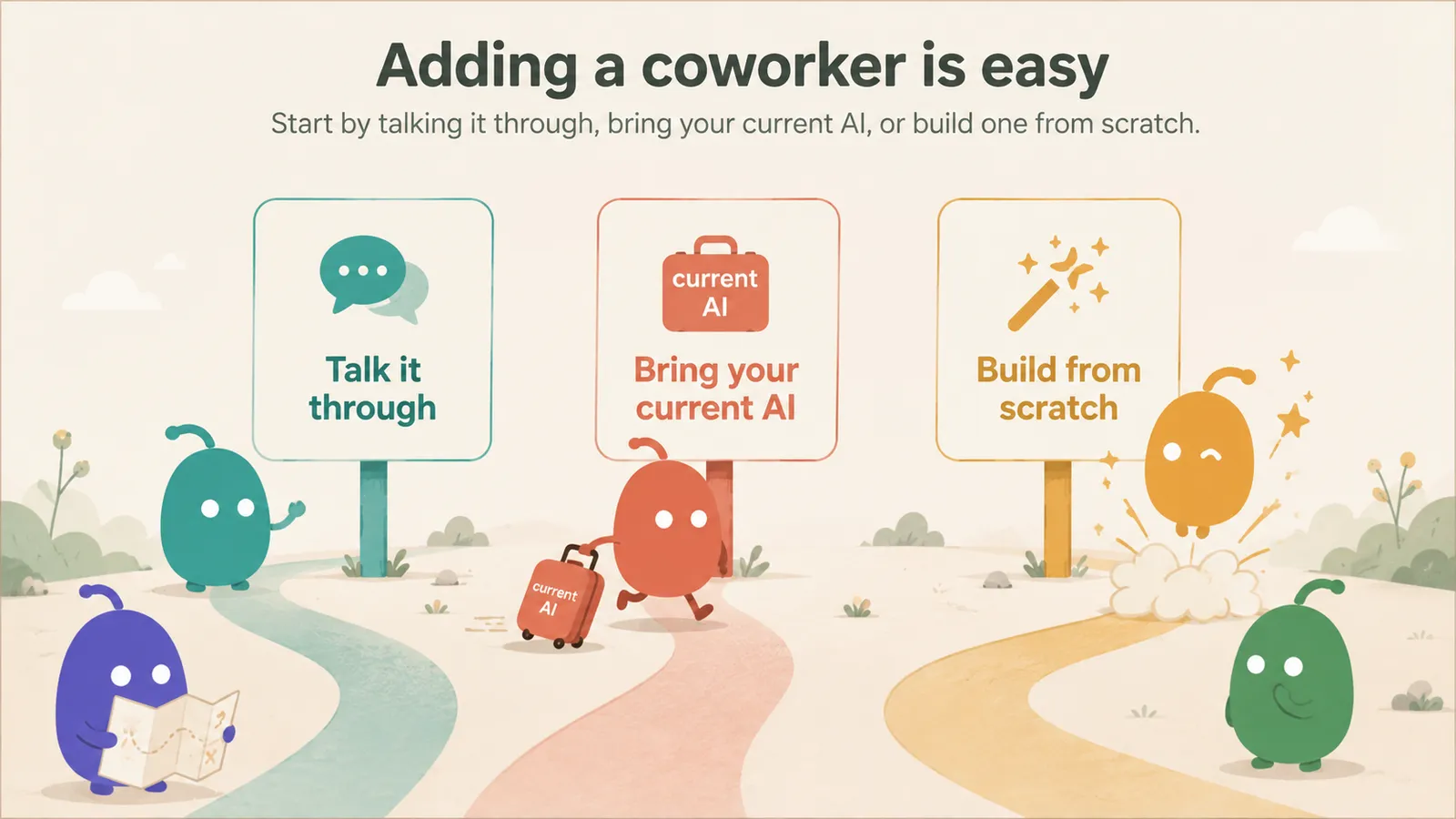
Three ways in

Explore Launchpad the way you want to.

  • See it

    Explore a pre-loaded environment

    Walk through a Launchpad engagement and watch a real consulting workflow unfold through recorded interactions.

    Try the interactive demo

    Free recorded demo · No live AI calls

  • Use it

    Go straight to the live product

    Open Launchpad Live and use it on your own work, with your own engagement and your own material.

    Go to Launchpad Live

    Launchpad Live from $29/month incl. VAT

  • Work through it with us

    Bring a workflow and talk it through

    Bring an engagement, an adoption question or a security concern, and walk through it with a founder.

    Walk through your use case with us

    Optional founder help — no sales conversation required to start.

Fit

When is Launchpad worth changing how you work?

It can be entirely rational to keep your current model. Here is the honest read in both directions.

Launchpad becomes more compelling when…

  • Several people work across concurrent client engagements.
  • Your methodology is meaningfully reusable between very different clients.
  • Senior review matters, and it is a real constraint on how much you can take on.
  • Client confidentiality is non-negotiable.
  • You want your strongest working practices to depend less on individual setup and memory.

Keeping your current model is reasonable when…

  • One person performs most of the delivery.
  • The work is highly transactional and rarely revisited.
  • There is little reusable methodology to carry between clients.
  • The main requirement is autonomous back-office automation rather than reviewed professional client work.

See what it feels like when the work can keep moving.

Progress without chaos.